Researcher & Educator
講師
Associate Professor (Lecturer)
News
新着情報
News
戸田山和久先生が亡くなったという知らせを聞いてから、僕はうまく気持ちの整理をつけることができないでいる。整理がつくまで待つという手もあるのだけれど、たぶん、そういうものは待っていてもやってこない。だからいまのうちに、戸田山先生と僕とのあいだにあったいくつかのことを、おぼえているかぎり、ここに書きとめておこうとおもう。
最初に戸田山先生の名前を知ったのは、『誇り高き技術者になろう』という本だった。秋田高専の3年生だった2005年、授業で読まされたのだ。そのあとで『科学哲学の冒険』を手にとった。どこがどうというのはうまく説明できないのだけれど、僕はその本を読んで、科学哲学というものを本気で勉強してみたいとおもった。名古屋大学に行けば、戸田山先生と伊勢田先生のもとで学べるらしい。それで僕は、名古屋大学の情報文化学部に編入しようと決めた。
2006年、僕ははじめてひとりで名古屋まで出かけた。なんのためにそんなことをしたのか、いまとなってはよくおもいだせない。ただ、行ってみたかったのだとおもう。そして2007年、高専の5年生のとき、編入学の試験を受けた。
戸田山先生のお顔をはじめて見たのは、その年の夏のことだ。試験の日、面接会場まで受験生を案内してくれた人が、戸田山先生だった。それが僕の、いちばん最初の戸田山先生の記憶になる。もっとも面接官の席に先生はいなかったし、けっきょく僕は情報文化学部には入れなかった。補欠合格の候補者にはなっていたので、そのあとしばらくのあいだ、意味もなくそわそわしながら日々を過ごした。電話は鳴らなかった。
僕は岩手大学に編入し、そこでニューラルネットをいじったり、哲学の本を読んだりして過ごした。それでも大学院は名古屋に行く、ということだけは決めていた。大学3年の2008年の夏、僕は戸田山先生にメールを書いた。先生のもとで勉強したいのです、と。
先生は、岩手に住んでいる僕のことを気づかってくれた。「何月何日に東京に用事があるので、東京で会いましょう」と返事があり、東大本郷の赤門の前で待ち合わせることになった。
その日のことは、いまでもはっきりおぼえている。赤門の前で待っていると、赤いリュックを背負い、ひげをたくわえた人が、しっかりとした足取りでこちらに歩いてきた。それが戸田山先生だった。ゆっくりでも速くでもない、ただしっかりとした足取りだった。
赤門のすぐ前にある古い喫茶店の2階に入った。戸田山先生は「どんな研究がしたいの」と聞いてくれた。僕はそのとき考えていた研究のことをはなした。当時の僕は神経科学に夢中で、神経科学がもっている哲学的な含意を知りたいとおもっていた。とくに、Goodale と Milner の二重視覚システム仮説の哲学的な意味と、それにかかわる哲学の議論について、一生懸命に勉強してきたことを、一生懸命にはなした。
戸田山先生はひとこと、「よく勉強していますね」と言ってくれた。僕はそのひとことを、いまでも強くおぼえている。
それから戸田山先生は、専門的な話をいろいろとしてくれた。科学哲学者と話をするのは、それがはじめてだった。自然主義的な発想のこと。分野の壁を越えて知識をあつかうこと。伝統的な哲学のやり方から自由になること。そして、哲学というものが本質的にもっているおもしろさ。それらが凝縮された時間だった。当時の僕にはとても消化しきれないほどの知が、目の前にあった。僕はただ圧倒されていた。まるで長いあいだ暗い部屋にいた人間が、いきなり窓をあけられたみたいに。
いまふりかえると、僕の人生の大部分は、あの喫茶店の2階で決まってしまったのだとおもう。
僕は名古屋大学の大学院に入り、戸田山先生のもとで、ようやく専門的な勉強をはじめることになった。いちばん最初の面談で、戸田山先生はこう言った。「この分野で生きていくのはむずかしい。このまま進学しても就職はできない。博士課程は東大か京大に行ったほうがいい。もっとも、東大か京大に行っても、就職はむずかしいけれど」。戸田山先生は現実をかくさなかった。そしてそのうえで、僕が進むべき道を示してくれた。
修士のあいだ、僕は神経科学の哲学的な含意についての研究を進めていた。でも戸田山先生が熱心にすすめてくれたのは、「科学の科学」の研究のほうだった。当時、戸田山先生のまわりでは「科学哲学をつくる会」という活動が進んでいて、その影響もあったのだとおもう。戸田山先生はたぶん、僕の関心や経歴をみて、こちらのほうがすがわらくんには合っているとかんがえてくれたのだろう。修士1年の夏休みの宿題として、Paul Thagard の Computational Philosophy of Science をレビューしてくること、という課題が出された。僕はがんばって読んだ。
博士課程は京都大学にお世話になった。修士から博士にかけての僕は、神経科学の哲学的含意や、神経科学の科学哲学を研究していた。でも博士課程を研究指導認定退学――博士号をとれないまま退学すること――して、ポスドクになり、それから特任助教になったころには、僕の関心は「科学の科学」のほうに移っていた。
つまりこういうことだ。あの赤門前の喫茶店で先生が話してくれたこと、あのときの知的な興奮を、僕はいまも追いかけている。戸田山先生が旗を振っていた自然主義的な科学哲学を、データサイエンスの観点から実際に進めていくこと。それがいまの僕の研究になっている。戸田山先生ができなかったことを、すこしでも僕が進めていきたいとおもっている。
そういう意味で、戸田山先生はいつも、僕を正しい方向に導いてくれていた。回り道をしているようで、けっきょくのところ、僕は戸田山先生が最初に示してくれた道を歩いているのだ。
僕がだらしなく過ごしているとき、戸田山先生はやさしく檄を飛ばしてくれた。とりわけだらしなく過ごしていたある時期、戸田山先生から一通のメールがとどいた。件名は「ネジを巻こう」だった。
僕はそのことばを iPod nano に刻んだ。心にも刻んだ。もちろん心に刻んだつもりでも、忘れてしまうことはしばしばあって、そのあとも僕はいろいろとまわりに迷惑をかけながら生きてきた。しょうがない人間なのだ。それはいまでも変わらない。
ただ、いまの僕は仕事のうえで、人を導く側の立場になっている。しっかりしなくてはいけない。だから僕は、「ネジを巻こう」というあのことばに戸田山先生がこめてくれたおもいを、これからもしっかりともっていようとおもう。ネジは、巻いても巻いても、いつのまにかゆるんでいる。それでも巻きつづける。戸田山先生のことを心のなかにおいたまま、僕はこれからも生きていく。
2026年8月18日
菅原裕輝
Since I heard the news that Professor Kazuhisa Todayama had passed away, I have not been able to put my feelings in order. I could wait until they settle, I suppose. But that kind of thing does not come just because you wait for it. So while I still can, I want to write down here the handful of things that happened between Professor Todayama and me, as far as I can remember them.
The first time I came across his name was in a book called Hokori-takaki Gijutsusha ni Narou (Be a Proud Engineer). I was a third-year student at Akita National College of Technology in 2005, and we were made to read it in class. After that I picked up Kagaku Tetsugaku no Bouken (Adventures in the Philosophy of Science). I cannot explain exactly what it was, but that book made me want, seriously, to study the philosophy of science. If I went to Nagoya University, I heard, I could study under Professor Todayama and Professor Iseda. So I decided to transfer into Nagoya's School of Informatics and Sciences.
In 2006 I went to Nagoya on my own for the first time. Why I did that, I honestly cannot recall anymore. I think I simply wanted to go and see. Then in 2007, in my fifth year at the college, I sat the transfer examination.
The first time I saw Professor Todayama's face was that summer. On the day of the exam, the person who guided the applicants to the interview room was Professor Todayama. That is my very first memory of him. He was not, however, among the interviewers, and in the end I did not get into the School of Informatics and Sciences. I had been placed on the waiting list, so for a while afterward I spent my days fidgeting for no good reason. The phone did not ring.
I transferred instead to Iwate University, where I spent my time tinkering with neural networks and reading philosophy. Still, one thing I had decided: for graduate school I would go to Nagoya. In the summer of 2008, in my third year, I wrote Professor Todayama an email. I would like to study under you, I said.
He was considerate of the fact that I lived up in Iwate. "I have business in Tokyo on such-and-such a day, so let's meet there," he wrote back, and we arranged to meet in front of the Akamon gate at the University of Tokyo, in Hongo.
I remember that day clearly, even now. As I waited by the gate, a man with a red backpack and a beard came walking toward me with a steady stride. That was Professor Todayama. Not slow, not fast. Just steady.
We went up to the second floor of an old coffee shop right in front of the gate. "So what kind of research do you want to do?" he asked. I told him about the research I had in mind. At the time I was absorbed in neuroscience, and I wanted to understand its philosophical implications. In particular, I talked as hard as I could about what I had studied as hard as I could: the philosophical meaning of Goodale and Milner's two-visual-systems hypothesis, and the philosophical debates around it.
He said one thing: "You have studied well." I still remember those words, strongly.
Then he talked to me about all sorts of technical matters. It was the first time I had ever spoken with a philosopher of science. Naturalistic ways of thinking. Handling knowledge across the walls between disciplines. Becoming free of the traditional methods of philosophy. And the essential interest of philosophy itself. It was a time in which all of that was condensed. There was more knowledge in front of me than I could possibly digest. I was simply overwhelmed. Like someone who has been in a dark room for a long time and suddenly has a window thrown open.
Looking back, I think most of my life was decided on the second floor of that coffee shop.
I entered the graduate school at Nagoya University and finally began studying properly under Professor Todayama. At our very first meeting he told me: "It is hard to make a living in this field. If you keep going as you are, you will not find a job. For the doctorate you should go to Tokyo or Kyoto. Though even if you go to Tokyo or Kyoto, finding a job will be hard." He did not hide the reality from me. And then, on top of that, he showed me the road I should take.
During my master's I was doing research on the philosophical implications of neuroscience. But what he encouraged me toward, keenly, was the "science of science." At the time there was a group around him called the Society for Making Philosophy of Science, and I think that had something to do with it. He had probably looked at my interests and my background and thought this direction would suit Sugawara better. As homework for the summer of my first year, I was assigned to review Paul Thagard's Computational Philosophy of Science. I read it as hard as I could.
For my doctorate I went to Kyoto University. From my master's through my doctoral years, I worked on the philosophical implications of neuroscience and the philosophy of neuroscience. But by the time I had left the doctoral program without a degree, become a postdoc, and then a specially appointed assistant professor, my interests had shifted to the science of science.
What it comes down to is this. What he told me in that coffee shop by the Akamon gate, the intellectual excitement of that day, I am still chasing it. Taking the naturalistic philosophy of science that he championed and actually pushing it forward from the standpoint of data science: that is what my research has become. What Professor Todayama was not able to do, I want to carry forward, even a little.
In that sense, he was always guiding me in the right direction. It looks like I took the long way round, but in the end I am walking the road he showed me at the very start.
When I was living carelessly, Professor Todayama would gently give me a push. During one especially careless stretch, an email arrived from him. The subject line was "Wind the screw."
I engraved those words on my iPod nano. I engraved them on my heart too. Of course, engraved on the heart or not, I forgot them often enough, and I have gone on living since then causing all sorts of trouble to the people around me. I am a hopeless sort of person. That has not changed.
But now, in my work, I am on the side of guiding others. I have to hold myself together. So the feeling he put into those words, "Wind the screw," I intend to keep holding on to. A screw, no matter how many times you wind it, is somehow loose again before you know it. Still, you keep winding. With Professor Todayama in my heart, I will go on living.
August 18, 2026
Yuki Sugawara
Career
経歴(抜粋)
Academic Career (Selected)
経歴トピックネットワーク Career Topic Network
ドラッグで移動 / ホイールでズーム / クリックでフィルタ Drag to move / Scroll to zoom / Click to filter
経歴タイムライン Career Timeline
学位 Degrees
学歴 Education
Research
研究
Research Overview
百学連環マップ Hyakugaku Renkan Map
ホバーで説明 / ドラッグで移動 / ホイールでズーム Hover for details / Drag to move / Scroll to zoom
● 分野 ■ テーマ ◆ 方法 ● Field ■ Theme ◆ Method
Publications
主要業績
Selected Publications
トピック分布 Topic Distribution
業績トピックネットワーク Publication Topic Network
ドラッグで移動 / ホイールでズーム / クリックでフィルタ Drag to move / Scroll to zoom / Click to filter
業績タイムライン Publication Timeline
論文
Papers
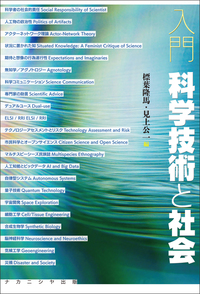
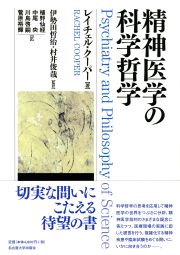
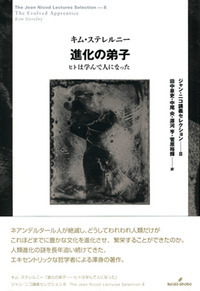
著書・翻訳
Books & Translations
Grants & Projects
研究プロジェクト
Research Projects & Grants
トピック分布 Topic Distribution
研究トピックネットワーク Research Topic Network
ドラッグで移動 / ホイールでズーム / クリックでフィルタ Drag to move / Scroll to zoom / Click to filter
プロジェクトタイムライン Project Timeline
代表者
Principal Investigator
分担者
Co-Investigator
Teaching
担当科目
Courses Currently Taught
Works
制作物
Digital Works
 ↗
↗
 ↗
↗
 ↗
↗
 ↗
↗
 ↗
↗
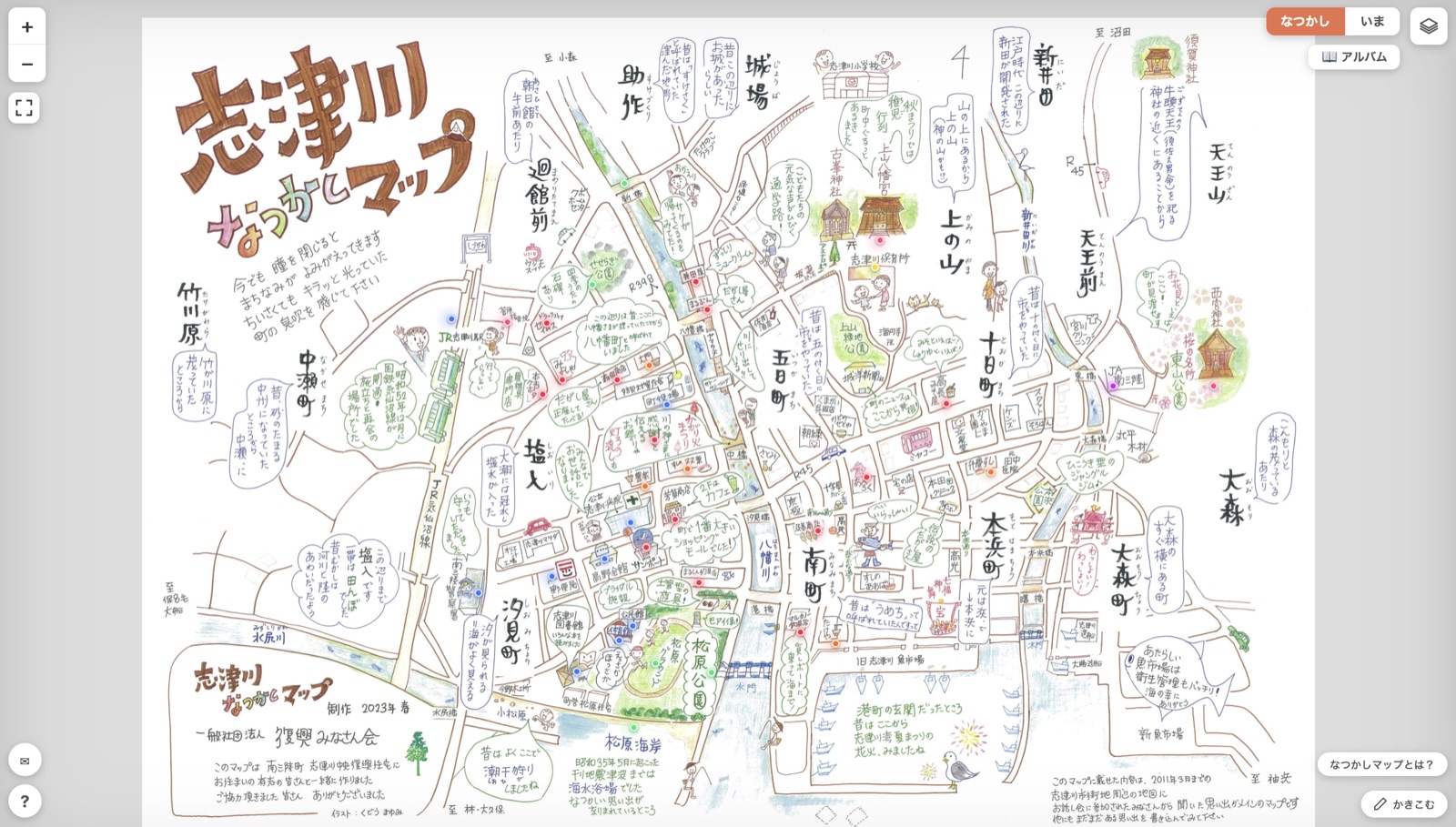
志津川なつかしマップ・デジタル
Shizugawa Nostalgia Map ─ Digital Edition
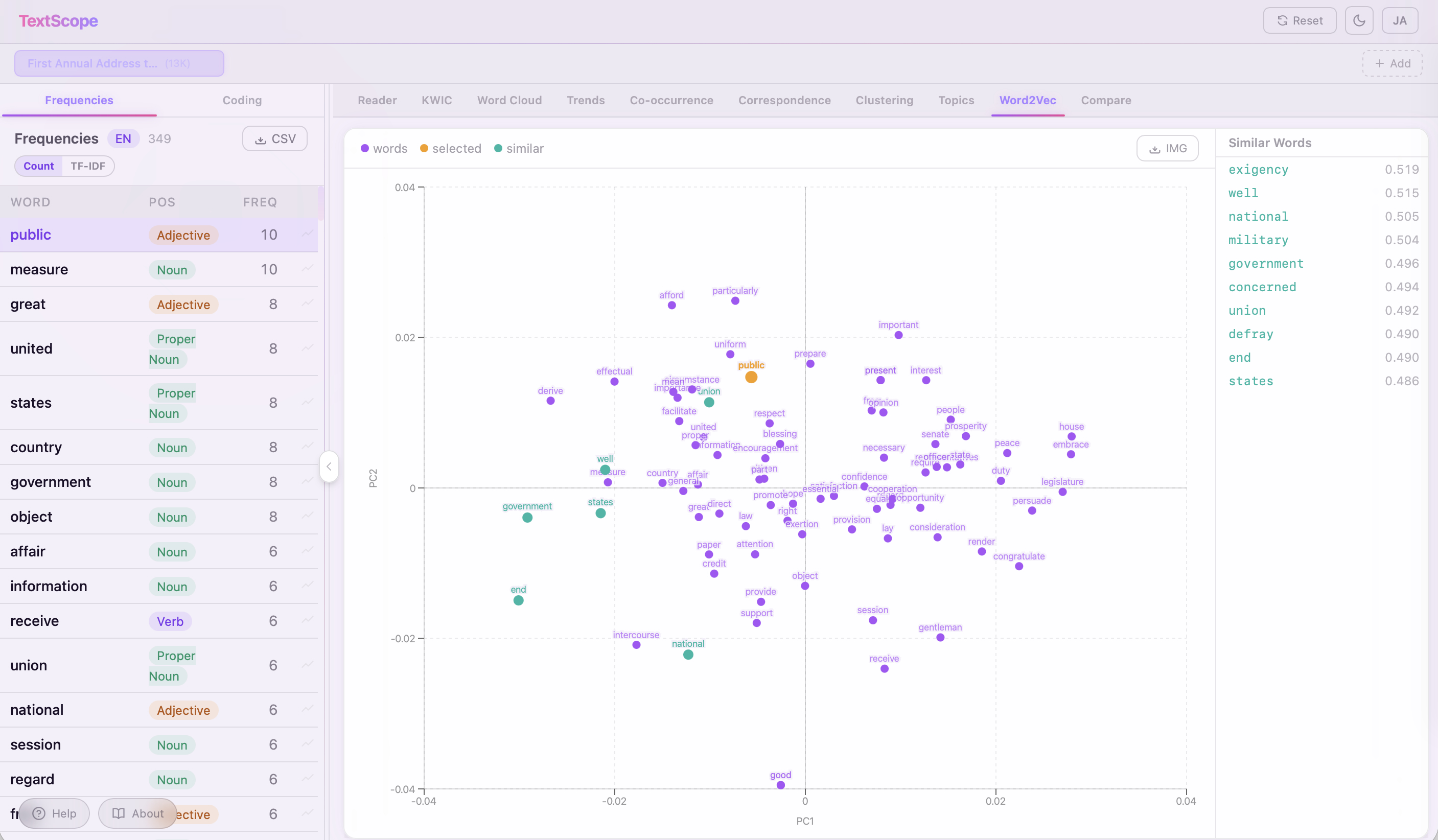
TextScope ─ 定量テキスト分析・可視化ツール
TextScope ─ Quantitative Text Analysis & Visualization
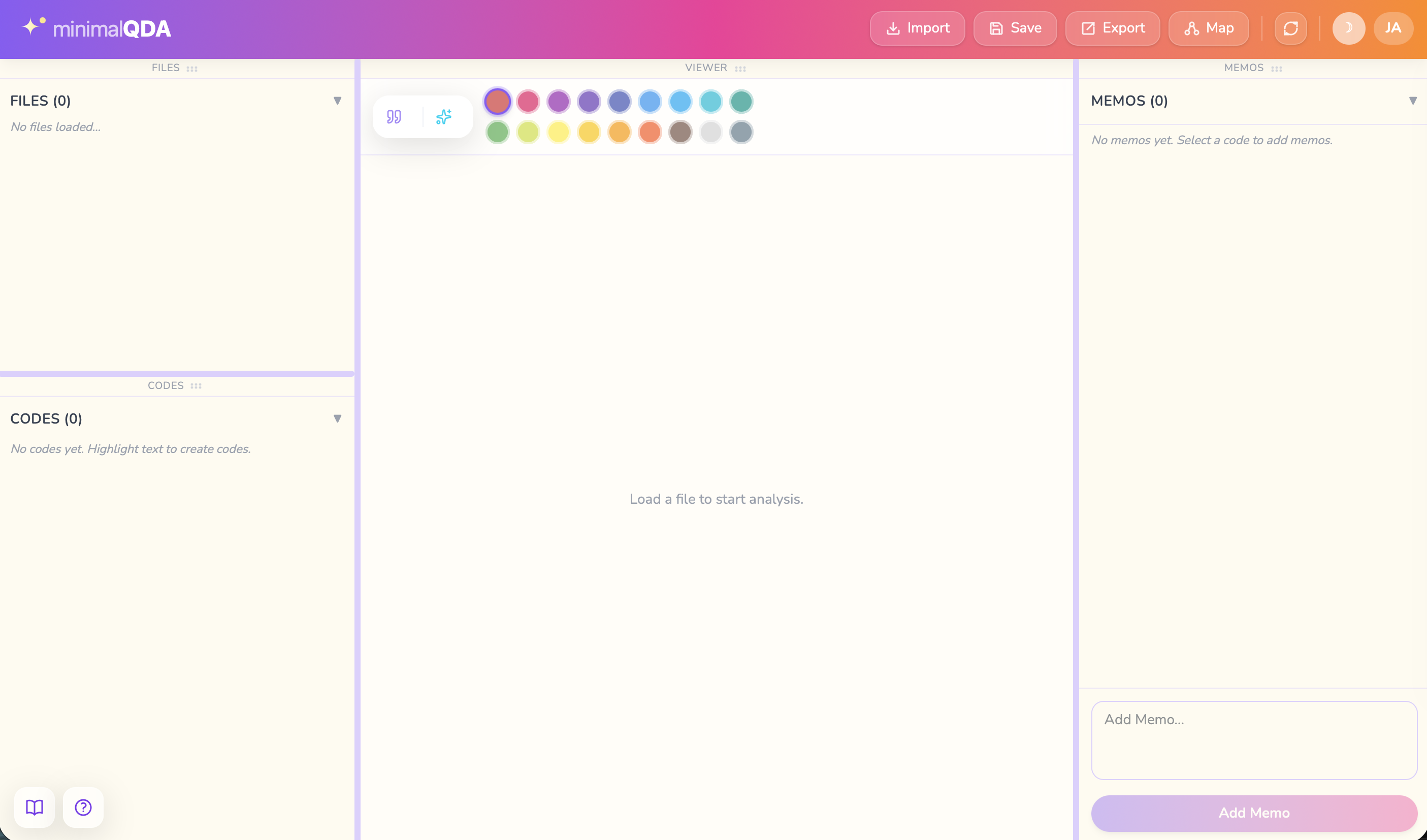
MinimalQDA ─ 軽量質的データ分析ツール
MinimalQDA ─ Lightweight Qualitative Data Analysis
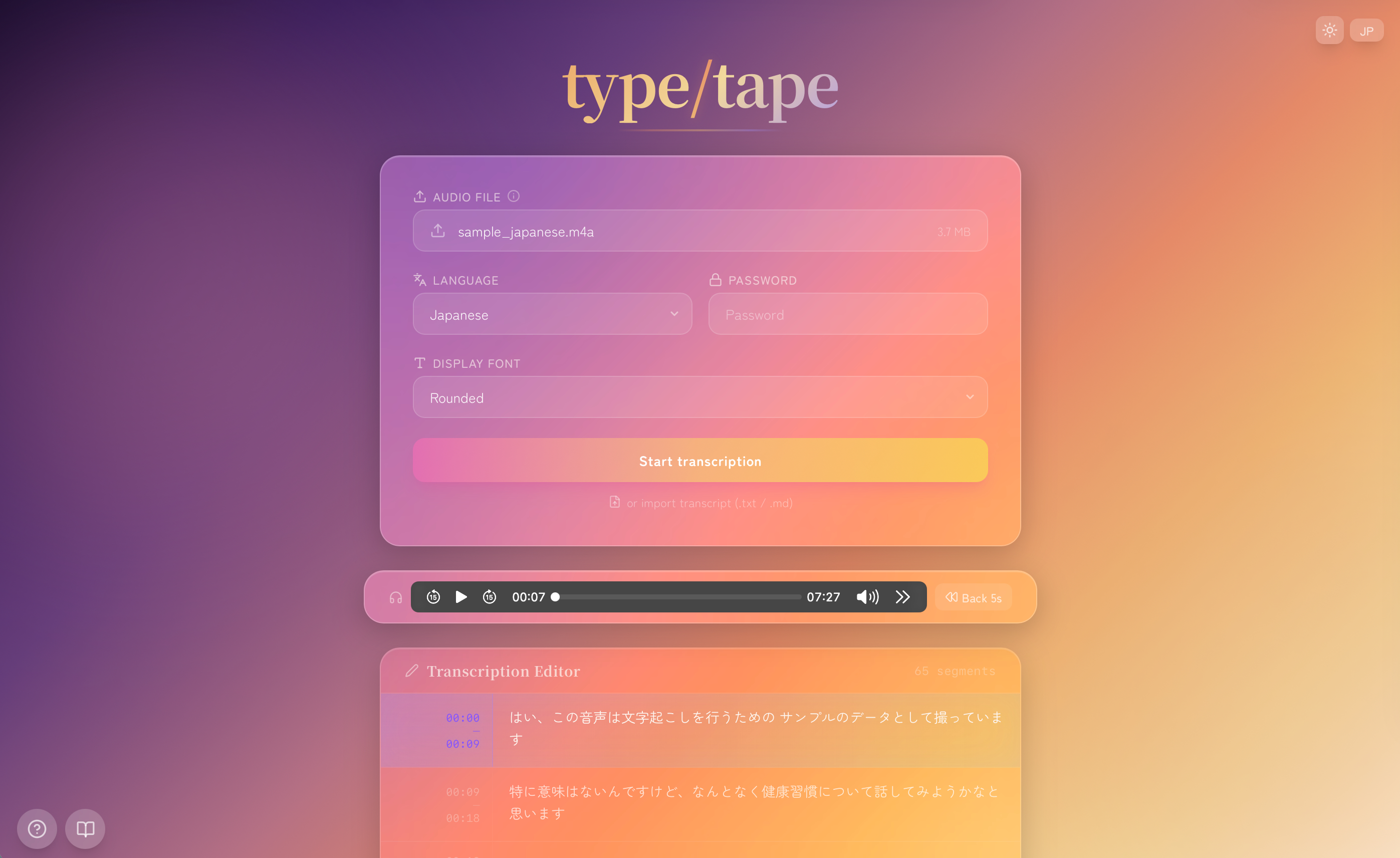
type/tape ─ AI音声文字起こし & エディタ
type/tape ─ AI Audio Transcription & Editor
Manuals
マニュアル
Manuals
Mission, Vision and Values
ミッション/ビジョン/バリュー
Mission · Vision · Values
— 技術と社会の乖離を埋める —
— Bridging the Gap between Technology and Society —
Mission
Vision
Values
Profile
強み/仕事のスタイルと課題
Strengths & Working Style
Social

Contact