Researcher & Educator

Yuki Sugawara 菅原裕輝

大阪大学大学院人文学研究科
講師
Graduate School of Humanities, The University of Osaka
Associate Professor (Lecturer)
Digital STS Digital Philosophy of Science Digital Anthropology
Scroll

News

新着情報

News

2026.08
【追悼】ネジを巻こう ―― 戸田山先生とのこと
[In Memoriam] "Wind the Screw": Remembering Professor Kazuhisa Todayama
Philosophy of Science
クリックで全文を表示
Click to read the full text

戸田山和久先生が亡くなったという知らせを聞いてから、僕はうまく気持ちの整理をつけることができないでいる。整理がつくまで待つという手もあるのだけれど、たぶん、そういうものは待っていてもやってこない。だからいまのうちに、戸田山先生と僕とのあいだにあったいくつかのことを、おぼえているかぎり、ここに書きとめておこうとおもう。

最初に戸田山先生の名前を知ったのは、『誇り高き技術者になろう』という本だった。秋田高専の3年生だった2005年、授業で読まされたのだ。そのあとで『科学哲学の冒険』を手にとった。どこがどうというのはうまく説明できないのだけれど、僕はその本を読んで、科学哲学というものを本気で勉強してみたいとおもった。名古屋大学に行けば、戸田山先生と伊勢田先生のもとで学べるらしい。それで僕は、名古屋大学の情報文化学部に編入しようと決めた。

2006年、僕ははじめてひとりで名古屋まで出かけた。なんのためにそんなことをしたのか、いまとなってはよくおもいだせない。ただ、行ってみたかったのだとおもう。そして2007年、高専の5年生のとき、編入学の試験を受けた。

戸田山先生のお顔をはじめて見たのは、その年の夏のことだ。試験の日、面接会場まで受験生を案内してくれた人が、戸田山先生だった。それが僕の、いちばん最初の戸田山先生の記憶になる。もっとも面接官の席に先生はいなかったし、けっきょく僕は情報文化学部には入れなかった。補欠合格の候補者にはなっていたので、そのあとしばらくのあいだ、意味もなくそわそわしながら日々を過ごした。電話は鳴らなかった。

僕は岩手大学に編入し、そこでニューラルネットをいじったり、哲学の本を読んだりして過ごした。それでも大学院は名古屋に行く、ということだけは決めていた。大学3年の2008年の夏、僕は戸田山先生にメールを書いた。先生のもとで勉強したいのです、と。

先生は、岩手に住んでいる僕のことを気づかってくれた。「何月何日に東京に用事があるので、東京で会いましょう」と返事があり、東大本郷の赤門の前で待ち合わせることになった。

その日のことは、いまでもはっきりおぼえている。赤門の前で待っていると、赤いリュックを背負い、ひげをたくわえた人が、しっかりとした足取りでこちらに歩いてきた。それが戸田山先生だった。ゆっくりでも速くでもない、ただしっかりとした足取りだった。

赤門のすぐ前にある古い喫茶店の2階に入った。戸田山先生は「どんな研究がしたいの」と聞いてくれた。僕はそのとき考えていた研究のことをはなした。当時の僕は神経科学に夢中で、神経科学がもっている哲学的な含意を知りたいとおもっていた。とくに、Goodale と Milner の二重視覚システム仮説の哲学的な意味と、それにかかわる哲学の議論について、一生懸命に勉強してきたことを、一生懸命にはなした。

戸田山先生はひとこと、「よく勉強していますね」と言ってくれた。僕はそのひとことを、いまでも強くおぼえている。

それから戸田山先生は、専門的な話をいろいろとしてくれた。科学哲学者と話をするのは、それがはじめてだった。自然主義的な発想のこと。分野の壁を越えて知識をあつかうこと。伝統的な哲学のやり方から自由になること。そして、哲学というものが本質的にもっているおもしろさ。それらが凝縮された時間だった。当時の僕にはとても消化しきれないほどの知が、目の前にあった。僕はただ圧倒されていた。まるで長いあいだ暗い部屋にいた人間が、いきなり窓をあけられたみたいに。

いまふりかえると、僕の人生の大部分は、あの喫茶店の2階で決まってしまったのだとおもう。

僕は名古屋大学の大学院に入り、戸田山先生のもとで、ようやく専門的な勉強をはじめることになった。いちばん最初の面談で、戸田山先生はこう言った。「この分野で生きていくのはむずかしい。このまま進学しても就職はできない。博士課程は東大か京大に行ったほうがいい。もっとも、東大か京大に行っても、就職はむずかしいけれど」。戸田山先生は現実をかくさなかった。そしてそのうえで、僕が進むべき道を示してくれた。

修士のあいだ、僕は神経科学の哲学的な含意についての研究を進めていた。でも戸田山先生が熱心にすすめてくれたのは、「科学の科学」の研究のほうだった。当時、戸田山先生のまわりでは「科学哲学をつくる会」という活動が進んでいて、その影響もあったのだとおもう。戸田山先生はたぶん、僕の関心や経歴をみて、こちらのほうがすがわらくんには合っているとかんがえてくれたのだろう。修士1年の夏休みの宿題として、Paul Thagard の Computational Philosophy of Science をレビューしてくること、という課題が出された。僕はがんばって読んだ。

博士課程は京都大学にお世話になった。修士から博士にかけての僕は、神経科学の哲学的含意や、神経科学の科学哲学を研究していた。でも博士課程を研究指導認定退学――博士号をとれないまま退学すること――して、ポスドクになり、それから特任助教になったころには、僕の関心は「科学の科学」のほうに移っていた。

つまりこういうことだ。あの赤門前の喫茶店で先生が話してくれたこと、あのときの知的な興奮を、僕はいまも追いかけている。戸田山先生が旗を振っていた自然主義的な科学哲学を、データサイエンスの観点から実際に進めていくこと。それがいまの僕の研究になっている。戸田山先生ができなかったことを、すこしでも僕が進めていきたいとおもっている。

そういう意味で、戸田山先生はいつも、僕を正しい方向に導いてくれていた。回り道をしているようで、けっきょくのところ、僕は戸田山先生が最初に示してくれた道を歩いているのだ。

僕がだらしなく過ごしているとき、戸田山先生はやさしく檄を飛ばしてくれた。とりわけだらしなく過ごしていたある時期、戸田山先生から一通のメールがとどいた。件名は「ネジを巻こう」だった。

僕はそのことばを iPod nano に刻んだ。心にも刻んだ。もちろん心に刻んだつもりでも、忘れてしまうことはしばしばあって、そのあとも僕はいろいろとまわりに迷惑をかけながら生きてきた。しょうがない人間なのだ。それはいまでも変わらない。

ただ、いまの僕は仕事のうえで、人を導く側の立場になっている。しっかりしなくてはいけない。だから僕は、「ネジを巻こう」というあのことばに戸田山先生がこめてくれたおもいを、これからもしっかりともっていようとおもう。ネジは、巻いても巻いても、いつのまにかゆるんでいる。それでも巻きつづける。戸田山先生のことを心のなかにおいたまま、僕はこれからも生きていく。

2026年8月18日
菅原裕輝

Since I heard the news that Professor Kazuhisa Todayama had passed away, I have not been able to put my feelings in order. I could wait until they settle, I suppose. But that kind of thing does not come just because you wait for it. So while I still can, I want to write down here the handful of things that happened between Professor Todayama and me, as far as I can remember them.

The first time I came across his name was in a book called Hokori-takaki Gijutsusha ni Narou (Be a Proud Engineer). I was a third-year student at Akita National College of Technology in 2005, and we were made to read it in class. After that I picked up Kagaku Tetsugaku no Bouken (Adventures in the Philosophy of Science). I cannot explain exactly what it was, but that book made me want, seriously, to study the philosophy of science. If I went to Nagoya University, I heard, I could study under Professor Todayama and Professor Iseda. So I decided to transfer into Nagoya's School of Informatics and Sciences.

In 2006 I went to Nagoya on my own for the first time. Why I did that, I honestly cannot recall anymore. I think I simply wanted to go and see. Then in 2007, in my fifth year at the college, I sat the transfer examination.

The first time I saw Professor Todayama's face was that summer. On the day of the exam, the person who guided the applicants to the interview room was Professor Todayama. That is my very first memory of him. He was not, however, among the interviewers, and in the end I did not get into the School of Informatics and Sciences. I had been placed on the waiting list, so for a while afterward I spent my days fidgeting for no good reason. The phone did not ring.

I transferred instead to Iwate University, where I spent my time tinkering with neural networks and reading philosophy. Still, one thing I had decided: for graduate school I would go to Nagoya. In the summer of 2008, in my third year, I wrote Professor Todayama an email. I would like to study under you, I said.

He was considerate of the fact that I lived up in Iwate. "I have business in Tokyo on such-and-such a day, so let's meet there," he wrote back, and we arranged to meet in front of the Akamon gate at the University of Tokyo, in Hongo.

I remember that day clearly, even now. As I waited by the gate, a man with a red backpack and a beard came walking toward me with a steady stride. That was Professor Todayama. Not slow, not fast. Just steady.

We went up to the second floor of an old coffee shop right in front of the gate. "So what kind of research do you want to do?" he asked. I told him about the research I had in mind. At the time I was absorbed in neuroscience, and I wanted to understand its philosophical implications. In particular, I talked as hard as I could about what I had studied as hard as I could: the philosophical meaning of Goodale and Milner's two-visual-systems hypothesis, and the philosophical debates around it.

He said one thing: "You have studied well." I still remember those words, strongly.

Then he talked to me about all sorts of technical matters. It was the first time I had ever spoken with a philosopher of science. Naturalistic ways of thinking. Handling knowledge across the walls between disciplines. Becoming free of the traditional methods of philosophy. And the essential interest of philosophy itself. It was a time in which all of that was condensed. There was more knowledge in front of me than I could possibly digest. I was simply overwhelmed. Like someone who has been in a dark room for a long time and suddenly has a window thrown open.

Looking back, I think most of my life was decided on the second floor of that coffee shop.

I entered the graduate school at Nagoya University and finally began studying properly under Professor Todayama. At our very first meeting he told me: "It is hard to make a living in this field. If you keep going as you are, you will not find a job. For the doctorate you should go to Tokyo or Kyoto. Though even if you go to Tokyo or Kyoto, finding a job will be hard." He did not hide the reality from me. And then, on top of that, he showed me the road I should take.

During my master's I was doing research on the philosophical implications of neuroscience. But what he encouraged me toward, keenly, was the "science of science." At the time there was a group around him called the Society for Making Philosophy of Science, and I think that had something to do with it. He had probably looked at my interests and my background and thought this direction would suit Sugawara better. As homework for the summer of my first year, I was assigned to review Paul Thagard's Computational Philosophy of Science. I read it as hard as I could.

For my doctorate I went to Kyoto University. From my master's through my doctoral years, I worked on the philosophical implications of neuroscience and the philosophy of neuroscience. But by the time I had left the doctoral program without a degree, become a postdoc, and then a specially appointed assistant professor, my interests had shifted to the science of science.

What it comes down to is this. What he told me in that coffee shop by the Akamon gate, the intellectual excitement of that day, I am still chasing it. Taking the naturalistic philosophy of science that he championed and actually pushing it forward from the standpoint of data science: that is what my research has become. What Professor Todayama was not able to do, I want to carry forward, even a little.

In that sense, he was always guiding me in the right direction. It looks like I took the long way round, but in the end I am walking the road he showed me at the very start.

When I was living carelessly, Professor Todayama would gently give me a push. During one especially careless stretch, an email arrived from him. The subject line was "Wind the screw."

I engraved those words on my iPod nano. I engraved them on my heart too. Of course, engraved on the heart or not, I forgot them often enough, and I have gone on living since then causing all sorts of trouble to the people around me. I am a hopeless sort of person. That has not changed.

But now, in my work, I am on the side of guiding others. I have to hold myself together. So the feeling he put into those words, "Wind the screw," I intend to keep holding on to. A screw, no matter how many times you wind it, is somehow loose again before you know it. Still, you keep winding. With Professor Todayama in my heart, I will go on living.

August 18, 2026
Yuki Sugawara

2026.05
【助成】トヨタ財団「先端技術と共創する新たな人間社会」に採択されました:「生成AIと人類学によるデジタル公共圏の再構築」(2026.05–2029.04)
[Grant] "Reconstructing the Digital Public Sphere through Generative AI and Anthropology" awarded by the Toyota Foundation (2026.05–2029.04)
Digital Anthropology

Career

経歴(抜粋)

Academic Career (Selected)

経歴トピックネットワーク Career Topic Network

ドラッグで移動 / ホイールでズーム / クリックでフィルタ Drag to move / Scroll to zoom / Click to filter

経歴タイムライン Career Timeline

2025.04 — 現在Present
大阪大学 大学院人文学研究科 人文学林 Interdisciplinary Network in the Humanities, Graduate School of Humanities, The University of Osaka
講師Associate Professor (Lecturer)
Humanities Digital Humanities Digital Technology
2022.04 — 2025.03
大阪大学 大学院人文学研究科 人文学林 Interdisciplinary Network in the Humanities, Graduate School of Humanities, The University of Osaka
特任助教(常勤)Specially Appointed Assistant Professor
Humanities Digital Humanities Digital Technology
2022.04 — 2024.03
慶應義塾大学 理工学部 Faculty of Science and Technology, Keio University
研究員(非常勤・兼任)Researcher (Part-time)
STS
2021.07 — 2022.03
慶應義塾大学 理工学部 Faculty of Science and Technology, Keio University
研究員Researcher
STS
2020.05 — 2021.12
大阪大学 大学院人間科学研究科 基礎人間科学講座(科学技術と文化) Graduate School of Human Sciences, Osaka University
特任研究員Specially Appointed Researcher
STS Anthropology
2017.04 — 2018.03
大阪大学 COデザインセンター Center for the Study of Co* Design, Osaka University
特任助教(常勤)Specially Appointed Assistant Professor
STS Philosophy of Science
2015.08 — 2017.03
国立循環器病研究センター 研究開発基盤センター 医学倫理研究部 Department of Medical Ethics, National Cerebral and Cardiovascular Center
研究員(非常勤)Researcher (Part-time)
Research Ethics
2014.04 — 2015.07
日本学術振興会 Japan Society for the Promotion of Science
特別研究員(DC2)JSPS Research Fellow (DC2)
Philosophy of Science
2014.04 — 2014.07
自然科学研究機構 基礎生物学研究所 光脳回路研究部門 Division of Brain Circuit, National Institute for Basic Biology
特別共同利用研究員Visiting Scientist
Neuroscience

学位 Degrees

2022.03
博士(人間科学)— 大阪大学 Ph.D. in Human Sciences — Osaka University
2012.03
修士(情報科学)— 名古屋大学 M.S. in Information Science — Nagoya University
2010.03
学士(学術)— 岩手大学 B.A. — Iwate University
2008.03
準学士(工学)— 国立秋田高専 Associate Degree in Engineering — Akita National College of Technology

学歴 Education

2012.04 — 2015.03
京都大学 大学院文学研究科 現代文化学専攻 科学哲学科学史専修(博士後期課程) Doctoral Program, Dept. of Philosophy and History of Science, Graduate School of Letters, Kyoto University
Philosophy of Science
2010.04 — 2012.03
名古屋大学 大学院情報科学研究科 社会システム情報学専攻(博士前期課程) Master's Program, Dept. of Social Systems and Informatics, Graduate School of Information Science, Nagoya University
Philosophy of Science Digital Technology
2008.04 — 2010.03
岩手大学 人文社会科学部 人間科学課程(学士課程) Undergraduate Program, Course in Human Sciences, Faculty of Humanities and Social Sciences, Iwate University
Philosophy of Science Digital Technology
2003.04 — 2008.03
秋田工業高等専門学校 環境都市工学科 Dept. of Environmental and Civil Engineering, Akita National College of Technology
Technology

Research

研究

Research Overview

生成AI時代における「百学連環」の実現
Implementing "Hyakugaku Renkan" in the Age of Generative AI
現代の複雑に絡み合う社会技術的現象を解き明かすためには、単一の専門分野に留まらない視座が必要です。私は「デジタルSTS」「デジタル科学哲学」「デジタル人類学」という3つの柱を軸に、多様な分野・方法・テーマを一つの輪として繋ぐ「一人学際」の立場で研究を進めています。AIが自律的に知を生成するこの時代において、分断された科学技術と知識構造を再び連環させること。そして、諸学問の繋がりを描いた「百学連環」を単なる歴史的思想として終わらせず、現代社会における具体的な「現象の分析」を通じて実現していくことが、私の目標です。
To unravel the complex and intertwined socio-technical phenomena of today, a perspective that transcends any single discipline is essential. I conduct my research from the standpoint of "solo interdisciplinarity"—connecting diverse fields, methods, and themes into a single cohesive loop, built upon three core pillars: Digital STS, Digital Philosophy of Science, and Digital Anthropology. In this era where AI autonomously generates knowledge, my goal is to reconnect our fragmented scientific technologies and knowledge structures. Ultimately, I aim to realize "Hyakugaku-Renkan" (the interconnectedness of all disciplines)—not merely leaving it as a historical philosophy, but bringing it to life through the concrete "analysis of phenomena" in contemporary society.

百学連環マップ Hyakugaku Renkan Map

ホバーで説明 / ドラッグで移動 / ホイールでズーム Hover for details / Drag to move / Scroll to zoom

● 分野 ■ テーマ ◆ 方法 ● Field ■ Theme ◆ Method

01
Digital STS
テクノロジーと社会の共創
Co-creating Technology & Society
AIを単なる効率化のツールとして消費するのではなく、テクノロジーと人間社会がどう共創し得るのか、その望ましい関係性を探求する。技術の開発・導入・運用をめぐる社会的動態をデジタル手法で分析し、科学技術と社会の接点を可視化する。
Rather than merely consuming AI as a tool for efficiency, exploring how technology and human society can co-create and what desirable relationships look like. Analyzing social dynamics around technology through digital methods to visualize the intersection of science, technology, and society.
02
Digital Philosophy of Science
知識構造の俯瞰と再編
Surveying & Reorganizing Knowledge
高度に専門化した知識構造を俯瞰し、機械学習やコーパス分析を用いて科学の概念的基盤を再検討する。分野横断的な知の地図を描き出し、生成AI時代にふさわしい学問連携の新たなモデルを構築する。
Surveying highly specialized knowledge structures and re-examining the conceptual foundations of science through machine learning and corpus analysis. Mapping interdisciplinary knowledge to build new models of academic collaboration for the age of Generative AI.
03
Digital Anthropology
デジタル空間の人類学的探究
Anthropological Inquiry in Digital Spaces
被災地移住者のデジタル空間における生活実践を記録し、ハイパーリンク・エスノグラフィなど新たな方法論で人間の経験を描き出す。デジタルとフィジカルが交差する現場で、テクノロジーがもたらす社会変容を人類学的に捉える。
Documenting digital practices of disaster-area migrants and depicting human experiences through novel methodologies like hyperlink ethnography. Capturing the social transformations brought by technology from an anthropological perspective at the intersection of digital and physical worlds.
実装する人文学
Humanities in Practice
人文学的な深い思索にとどまらず、自らプログラミングやデータ分析、生成AIの活用を行い、デザインやウェブ構築を通じて「実装」する。AIが答えを出せる時代だからこそ、人文学が培ってきた「アナログな思考」と「本質的な問い」を実践的に融合させ、異なる分野の知を繋ぐ新たな対話のプラットフォームを構築しています。
Beyond deep humanistic contemplation, I actively bring ideas to life through programming, data analysis, the practical application of generative AI, design, and web development. Precisely because we live in an age where AI can readily provide answers, I practically fuse the "analog thinking" and "essential questioning" cultivated by the humanities to build new interactive platforms that bridge knowledge across diverse disciplines.

Publications

主要業績

Selected Publications

0
業績 Publications
0
論文 Papers
0
著書・翻訳 Books
2013–2027
出版期間 Period

トピック分布 Topic Distribution

業績トピックネットワーク Publication Topic Network

ドラッグで移動 / ホイールでズーム / クリックでフィルタ Drag to move / Scroll to zoom / Click to filter

業績タイムライン Publication Timeline

論文

Papers

2027
コーパス言語学基礎論に向けて:認知言語学におけるコーパス研究の哲学的考察
A Preliminary Sketch of Theoretical Foundations of Corpus Studies: Epistemology of Cognitive Corpus Linguistics
神原一帆, 菅原裕輝 / 『科学基礎論研究』55(1-2)(掲載予定) Kazuho Kambara, Yuki Sugawara / Journal of the Japan Association of Philosophy of Science 55(1-2) (forthcoming)
Digital Philosophy of Science
2026.05
Distributional Concept Analysis of "Explain": From Distant Reading to Cosmic Reading
菅原裕輝 / 『英語コーパス研究』33号(掲載予定) Yuki Sugawara / English Corpus Studies 33 (forthcoming)
Digital Philosophy of Science
2025.12
How 'empirical' is corpus linguistics?: A meta-analysis using formal concept analysis
Kazuho Kambara, Yuki Sugawara, Norihisa Takahashi / Proceedings of the 39th Pacific Asia Conference on Language, Information and Computation, pp.635–645
Digital Philosophy of Science
2025.04
デジタル空間の多重性:被災地移住のデジタル人類学
The Multiplicity of Digital Space: A Digital Anthropology of Disaster-Area Migration
菅原裕輝 / 『文化人類学』89(4) Yuki Sugawara / Japanese Journal of Cultural Anthropology 89(4)
Digital Anthropology
2025.02
津波被災地域における期待の調整:南三陸町の資源循環型復興ビジョンと移住者のビジョン
Adjusting Expectations in Tsunami-Affected Areas: Recovery Vision and Migrants' Vision in Minamisanriku
菅原裕輝, 山﨑真帆 / 『日本災害復興学会論文集』25, pp.36–47 Yuki Sugawara, Maho Yamazaki / Journal of Japan Society for Disaster Resilience 25, pp.36–47
Anthropology STS
2024.03
Revisiting Semantic Prosody of Cause: A Sentiment Analysis
Yuki Sugawara, Kazuho Kambara / Journal of Corpus-based Lexicology Studies 6, pp.71–92
Digital Philosophy of Science
2023.10
The Many Uses of Explain: Quantitative Corpus Method and Philosophy of Science
Yuki Sugawara, Kazuho Kambara / Annals of the Japan Association for Philosophy of Science 32(2), pp.23–46
Digital Philosophy of Science
2023.10
Philosophy with and for Data Science: Setting the Scene
Yuki Sugawara / Annals of the Japan Association for Philosophy of Science 32(2), pp.17–22
Digital Philosophy of Science
2023.05
南三陸の復興に関するハイパーリンク・エスノグラフィ
Hyperlink Ethnography Regarding Reconstruction in Minamisanriku
菅原裕輝 / 『テクストマイニングとデジタルヒューマニティーズ』2022, pp.5–18 Yuki Sugawara / Text Mining and Digital Humanities 2022, pp.5–18
Digital Anthropology
2017.11
誰をオーサーにするべきか?:「オリジナリティー」の分野特性を考慮した自律的オーサーシップの提案
Who Should Be an Author?: A Proposal for Autonomous Authorship Considering Field-Specific Characteristics of "Originality"
菅原裕輝, 松井健志 / 『科学技術社会論研究』(14), pp.77–89 Yuki Sugawara, Kenji Matsui / Science, Technology and Society Studies (14), pp.77–89
STS Research Ethics
2015.10
What is New with the New Mechanistic Philosophy? Comments on In search of Mechanisms: Discoveries across the Life Sciences
Yuki Sugawara, Hisashi Nakao / Taiwanese Journal for Science, Technology and Medicine 21, pp.233–240
Philosophy of Science Neuroscience
2014.12
Causal Mechanisms in Neurosciences
Yuki Sugawara / Korean Journal for the Philosophy of Science 17(3), pp.53–68
Philosophy of Science Neuroscience
2013.02
Mechanistic stance: An epistemic norm among scientists
Yuki Sugawara, Hisashi Nakao / Proceedings of CAPE International Workshops, 2012, pp.50–59
Philosophy of Science Neuroscience

著書・翻訳

Books & Translations

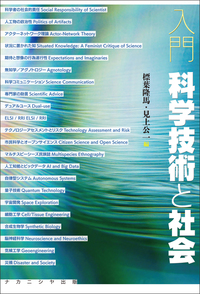
入門 科学技術と社会
著書(分担執筆)
Book (Contributing Author)
入門 科学技術と社会
Introduction to Science, Technology and Society
標葉隆馬・見上公一(編) / ナカニシヤ出版 / 2024年5月10日 / ISBN: 978-4-7795-1779-2 Eds. Takuma Shineha, Koichi Mikami / Nakanishiya Shuppan / 10 May 2024 / ISBN: 978-4-7795-1779-2
STS
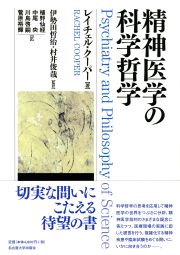
精神医学の科学哲学
翻訳(共訳)
Translation (co-trans.)
精神医学の科学哲学
Psychiatry and Philosophy of Science
レイチェル・クーパー 著 / 伊勢田哲治・村井俊哉・植野仙経・中尾央・川島啓嗣・菅原裕輝 訳 / 名古屋大学出版会 / 2015年6月19日 / ISBN: 978-4-8158-0807-4 Rachel Cooper (auth.) / trans. Tetsuji Iseda, Toshiya Murai, Sennyo Ueno, Hisashi Nakao, Keiji Kawashima, Yuki Sugawara / Nagoya University Press / 19 Jun 2015 / ISBN: 978-4-8158-0807-4
Philosophy of Science
進化の弟子
翻訳(共訳)
Translation (co-trans.)
進化の弟子:ヒトは学んで人になった
Apprenticed to Evolution: Schooling and the Origins of Mind
キム・ステレルニー 著 / 田中泉吏・中尾央・源河亨・菅原裕輝 訳 / 勁草書房 / 2013年12月26日 / ISBN: 978-4-326-19964-9 Kim Sterelny (auth.) / trans. Izuri Tanaka, Hisashi Nakao, Toru Genka, Yuki Sugawara / Keiso Shobo / 26 Dec 2013 / ISBN: 978-4-326-19964-9
Philosophy of Science

Grants & Projects

研究プロジェクト

Research Projects & Grants

0
研究プロジェクト Projects
0
代表者 PI
0
分担者 Co-PI
2013–2030
活動期間 Period

トピック分布 Topic Distribution

研究トピックネットワーク Research Topic Network

ドラッグで移動 / ホイールでズーム / クリックでフィルタ Drag to move / Scroll to zoom / Click to filter

プロジェクトタイムライン Project Timeline

代表者

Principal Investigator

2026.05—2029.04
生成AIと人類学によるデジタル公共圏の再構築
Reconstructing the Digital Public Sphere through Generative AI and Anthropology
Digital Anthropology
トヨタ財団 先端技術と共創する新たな人間社会 Toyota Foundation: New Human Society Co-created with Advanced Technology
2025.08—2028.03
デジタル人類学で拓く「デジタル日本学」教育のグローバル展開
Global Development of "Digital Japanese Studies" Education through Digital Anthropology
Digital Anthropology
大阪大学グローバル日本学教育研究拠点 拠点形成プロジェクト Osaka University Global Japanese Studies Education and Research Hub Project
2025.04—2026.09
深層学習を用いた社会技術的現象の分析
Analysis of Sociotechnical Phenomena Using Deep Learning
Digital STS
栢森情報科学振興財団 2024年度研究助成 Kayamori Foundation of Informational Science Advancement, Research Grant 2024
2025.08—2026.03
機械学習を用いた知識構造と社会技術的現象の俯瞰的分析
Panoramic Analysis of Knowledge Structures and Sociotechnical Phenomena Using Machine Learning
Digital Philosophy of Science Digital STS
大阪大学D3センター 学際共創プロジェクト Osaka University D3 Center Interdisciplinary Co-Creation Project
2024.04—2026.03
津波被災地域の持続可能なまちづくりへ向けたグローカルな未来像の分析
Analysis of Glocal Visions for Sustainable Community Development in Tsunami-Affected Areas
Anthropology STS
鹿島学術振興財団 2024年度一般研究助成 Kajima Foundation, General Research Grant 2024
2024.03—2026.02
津波被災自治体移住者の語りの記録と分析を基にした共生型地域社会のモデル構築
Building a Model of Inclusive Local Communities Based on Documentation and Analysis of Narratives from Migrants in Tsunami-Affected Municipalities
Anthropology STS
上廣倫理財団 研究助成 Uehiro Foundation on Ethics and Education, Research Grant
2024.04—2025.03
ゲノム合成分野におけるバイオベンチャーの動向に関する調査研究
Research on Trends in Bio-ventures in the Field of Genome Synthesis
STS
新技術振興渡辺記念会 科学技術調査研究助成 Watanabe Memorial Foundation for the Advancement of Technology, Research Grant
2024.08—2025.03
機械学習を用いた学際分野の俯瞰的分析
Panoramic Analysis of Interdisciplinary Fields Using Machine Learning
Digital Philosophy of Science
大阪大学 IDS 学際共創プロジェクト Osaka University IDS Interdisciplinary Co-Creation Project
2023.02—2024.01
機械学習を用いた学術分野の俯瞰的分析
Panoramic Analysis of Academic Fields Using Machine Learning
Digital Philosophy of Science
中部科学技術センター 人工知能研究助成 Chubu Science and Technology Center, AI Research Grant
2014.04—2016.03
神経科学の哲学の基盤構築
Foundations of the Philosophy of Neuroscience
Philosophy of Science
日本学術振興会 特別研究員奨励費(DC2) JSPS Research Fellowship for Young Scientists (DC2)
2013.04—2014.03
神経科学の哲学の基盤構築
Foundations of the Philosophy of Neuroscience
Philosophy of Science
サントリー文化財団 チャレンジ研究助成 Suntory Foundation, Challenge Research Grant

分担者

Co-Investigator

2025.09—2026.03
学びの充実など教育課題の解決に向けた教育分野特化の生成AIの実証研究事業
Demonstration Research Project on Generative AI Specialized in Education for Solving Educational Challenges
Digital Technology
文部科学省(令和6年度補正予算事業)/ 富士通Japan株式会社受託 MEXT (FY2024 Supplementary Budget) / Commissioned by Fujitsu Japan Ltd.
推進委員長:櫻井 千穂 / 副委員長:小島 祥美, 佐野 愛子 / 委員:清水 政明, 筒井 佐代, 酒井 裕美, 菅原 由美, 村上 忠良, 横井 幸子, 江口 清子, 大塚 行誠, 矢元 貴美, 近藤 美佳, 鳥越 慎太郎, 菅原 裕輝, 他41名 Chair: Chiho Sakurai / Vice-Chairs: Yoshimi Kojima, Aiko Sano / Members: Masaaki Shimizu, Sayo Tsutsui, Hiromi Sakai, Yumi Sugawara, Tadayoshi Murakami, Sachiko Yokoi, Kiyoko Eguchi, Gyosei Otsuka, Takami Yamoto, Mika Kondo, Shintaro Torigoe, Yuki Sugawara, and 41 others
2025.06—2026.03
生成AIによる「多文化多言語の子ども」への教育支援システムの共同研究事業
Joint Research on Generative AI-Based Educational Support Systems for Multicultural and Multilingual Children
Digital Technology
富士通Japan株式会社 共同研究 / 大阪大学大学院人文学研究科附属複言語・複文化共存社会研究センター Fujitsu Japan Ltd. Joint Research / Osaka University Research Center for Multilingual and Multicultural Coexistence
代表者:櫻井 千穂 / 共同研究者:清水 政明, 筒井 佐代, 酒井 裕美, 菅原 由美, 村上 忠良, 横井 幸子, 江口 清子, 大塚 行誠, 矢元 貴美, 近藤 美佳, 鳥越 慎太郎, 菅原 裕輝 PI: Chiho Sakurai / Co-Researchers: Masaaki Shimizu, Sayo Tsutsui, Hiromi Sakai, Yumi Sugawara, Tadayoshi Murakami, Sachiko Yokoi, Kiyoko Eguchi, Gyosei Otsuka, Takami Yamoto, Mika Kondo, Shintaro Torigoe, Yuki Sugawara
2025.04—2030.03
文化的言語的に多様な子どもの複数言語アセスメントの実証研究
Empirical Research on Multilingual Assessment of Culturally and Linguistically Diverse Children
Digital Technology
日本学術振興会 科学研究費助成事業 基盤研究(B) JSPS Grant-in-Aid for Scientific Research (B)
代表者:櫻井 千穂 / 分担者:小島 祥美, 佐野 愛子, 近藤 美佳, 矢元 貴美, 江口 清子, 菅原 裕輝 PI: Chiho Sakurai / Co-I: Yoshimi Kojima, Aiko Sano, Mika Kondo, Takami Yamoto, Kiyoko Eguchi, Yuki Sugawara
2021.04—2024.07
Future Organisms: Synthetic Genomics and Responsible Innovation in the UK, the USA and Japan
STS
UKRI / Economic and Social Research Council (ESRC) — International Research Grant
Jane Calvert, Erika Szymanski, Koichi Mikami, Robert Smith, Yuki Sugawara, Maya Hey, Tomohiro Inokuchi, Cookie Egre
2020.04—2023.03
東日本大震災の復興過程に関する公共人類学的研究-レジリエントな社会モデルの構築
Public Anthropological Research on the Recovery Process of the Great East Japan Earthquake: Building a Resilient Social Model
Digital Anthropology
日本学術振興会 科学研究費助成事業 基盤研究(B) JSPS Grant-in-Aid for Scientific Research (B)
代表者:関谷 雄一 / 分担者:木村 周平, 市野澤 潤平, 内尾 太一, 田中 孝枝, 山下 晋司, 菅原 裕輝 PI: Yuichi Sekiya / Co-I: Shuhei Kimura, Junpei Ichinozawa, Taichi Uchio, Takae Tanaka, Shinji Yamashita, Yuki Sugawara
2016.04—2019.03
哲学分野における男女共同参画と若手研究者育成に関する理論・実践的研究
Theoretical and Practical Research on Gender Equality and Early-Career Researcher Development in Philosophy
Research Ethics
日本学術振興会 科学研究費助成事業 基盤研究(B) JSPS Grant-in-Aid for Scientific Research (B)
代表者:和泉 ちえ / 分担者:森 一郎, 飯田 隆, 小手川 正二郎, 秋葉 剛史, 河野 哲也, 笠木 雅史, 池田 喬, 鈴木 伸国, 村上 祐子, 大河内 泰樹, 佐藤 靜, 加藤 泰史, 吉原 雅子, 小島 優子, 菅原 裕輝, 金澤 修, 筒井 晴香 PI: Chie Izumi / Co-I: Ichiro Mori, Takashi Iida, Shojiro Kotegawa, Takeshi Akiba, Tetsuya Kono, Masafumi Kasagi, Takashi Ikeda, Nobukuni Suzuki, Yuko Murakami, Taiki Okochi, Shizuka Sato, Yasushi Kato, Masako Yoshihara, Yuko Kojima, Yuki Sugawara, Osamu Kanazawa, Haruka Tsutsui
2015.04—2019.03
研究倫理の質向上、機能強化、支援促進のための共有・共通基盤の整備に関する研究
Research on Developing Shared and Common Infrastructure for Improving Quality, Strengthening Functions, and Promoting Support of Research Ethics
Research Ethics
日本学術振興会 科学研究費助成事業 基盤研究(A) JSPS Grant-in-Aid for Scientific Research (A)
代表者:松井 健志 / 分担者:田代 志門, 井上 悠輔, 丸 祐一, 大北 全俊, 伊吹 友秀, 會澤 久仁子, 武藤 香織, 菅原 裕輝, 遠矢 和希 PI: Takeshi Matsui / Co-I: Shimon Tashiro, Yusuke Inoue, Yuichi Maru, Masatoshi Okita, Tomohide Ibuki, Kuniko Aizawa, Kaori Muto, Yuki Sugawara, Kazuki Toya

Teaching

担当科目

Courses Currently Taught

0
開講科目 Courses
2021 —
開講期間 Period
01
2025 —
デジタルヒューマニティーズ基礎演習
Introductory Seminar in Digital Humanities
学部 Undergraduate 大阪大学 文学部 School of Letters, Osaka University
Digital Humanities
02
2025 —
外国語学部生のためのデジタルツール
Digital Tools for Students of Foreign Languages
学部 Undergraduate 大阪大学 外国語学部 School of Foreign Studies, Osaka University
Humanities Digital Technology
03
2025 —
人文学とデジタル技術
Humanities and Digital Technologies
大学院 Graduate 大阪大学 大学院人文学研究科 Graduate School of Humanities, Osaka University
Humanities Digital Technology
04
2022 —
人文学基礎(人文学と対話)
Foundations of the Humanities (Humanities and Dialogue)
大学院 Graduate 大阪大学 大学院人文学研究科 Graduate School of Humanities, Osaka University
Humanities
05
2021 —
コーパス演習
Corpus Studies Practicum
学部 Undergraduate 同志社女子大学 学芸学部 Faculty of Liberal Arts, Doshisha Women's College of Liberal Arts
Humanities Digital Technology

Works

制作物

Digital Works

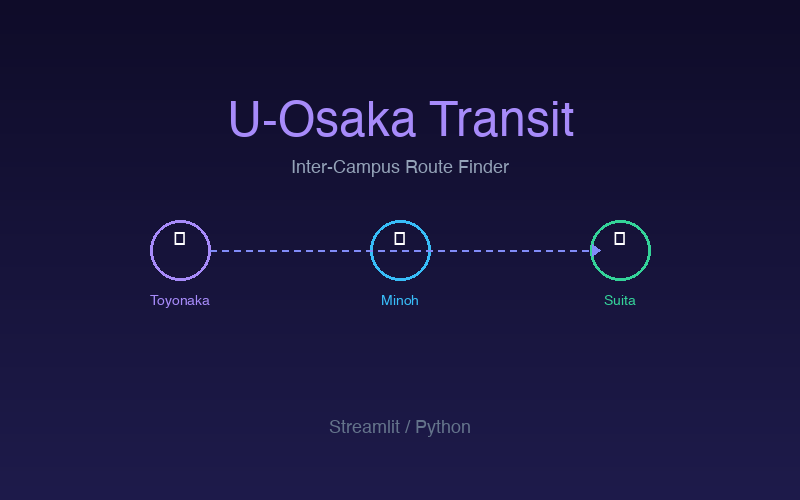
U-Osaka Transit
経路検索ツール
Route Finder
U-Osaka Transit
U-Osaka Transit
Streamlit / Python
大阪大学の3キャンパス(豊中・吹田・箕面)間の最適ルートを検索するWebアプリ。学内バス・モノレール・阪急・北大阪急行・阪急バスに対応。
A route finder for Osaka University's three campuses (Toyonaka, Suita, Minoh). Supports campus shuttle, monorail, Hankyu, Kita-Osaka Kyuko, and Hankyu Bus.
↗
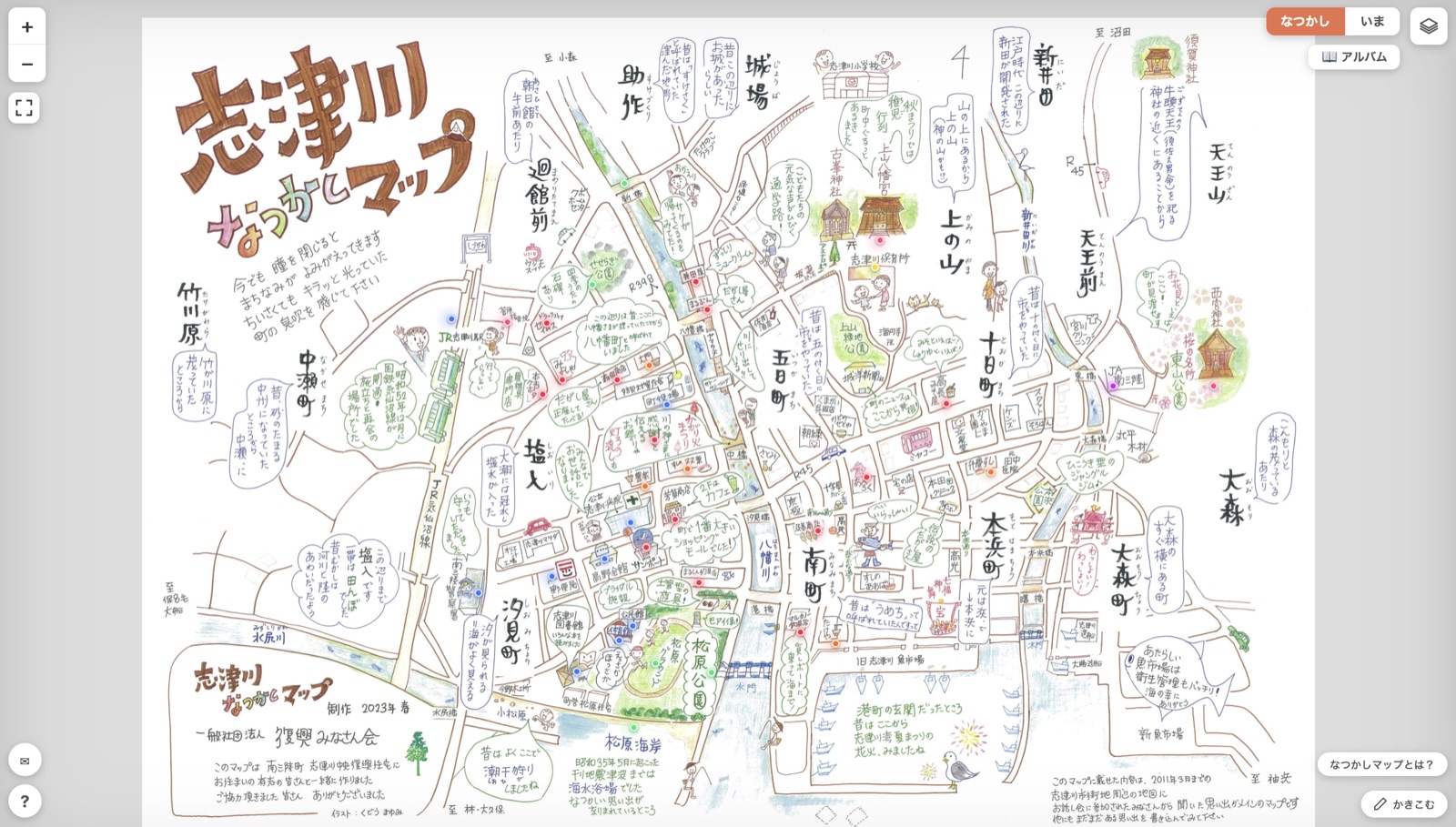
志津川なつかしマップ・デジタル
参加型デジタルアーカイブ
Participatory Digital Archive
志津川なつかしマップ・デジタル
Shizugawa Nostalgia Map
Leaflet / Firebase
東日本大震災前の志津川の記憶を、住民の声と共にデジタル地図上に記録するプロジェクト。
A community-driven digital map preserving memories of Shizugawa before the 2011 Great East Japan Earthquake.
↗
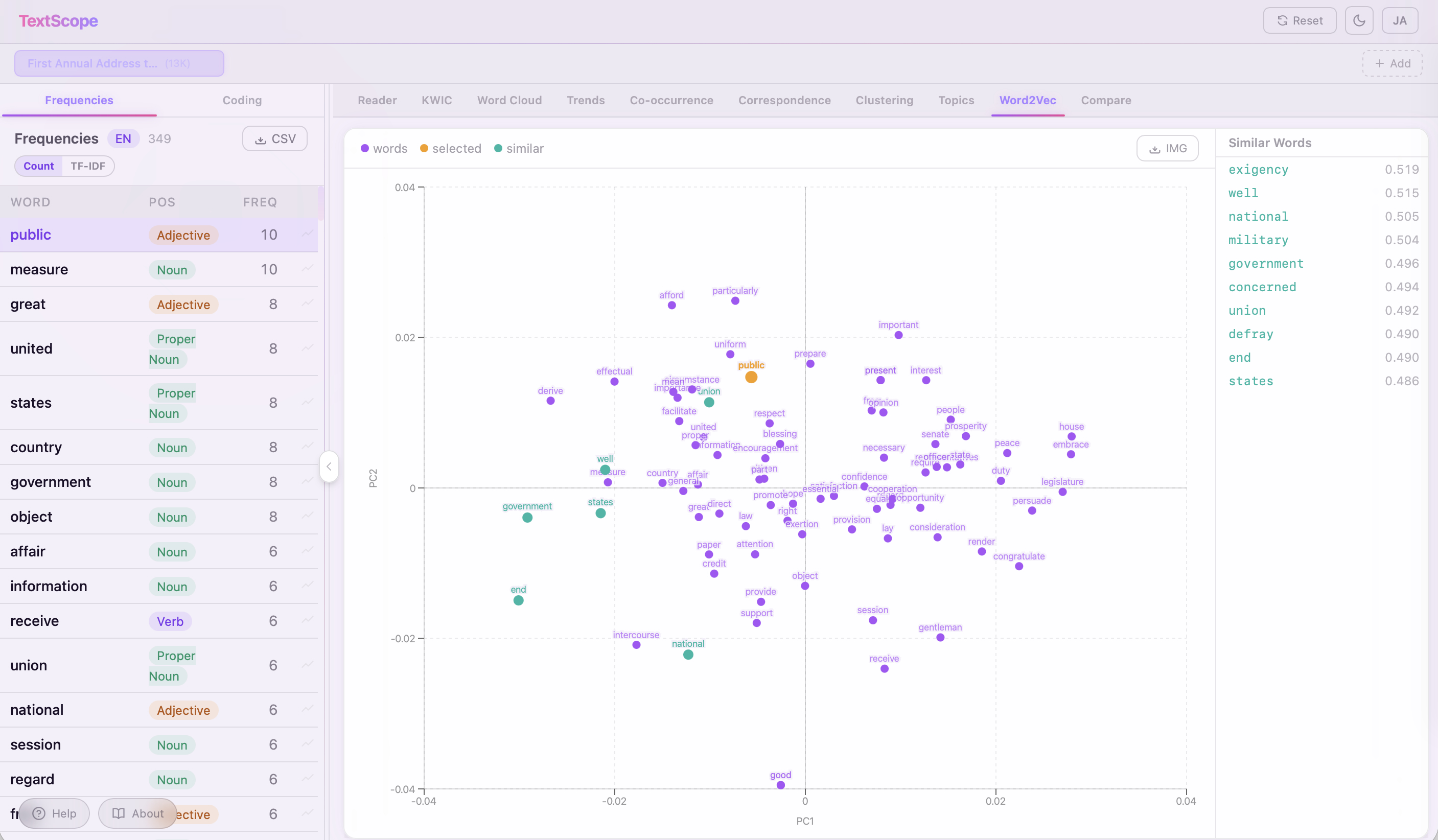
TextScope
テキスト分析ツール
Text Analysis Tool
TextScope
TextScope
React / Python / NLP
ブラウザ上で完結する定量テキスト分析・可視化ツール。頻度分析からトピックモデリングまで11種の分析機能を搭載。
A browser-based quantitative text analysis & visualization tool with 11 analytical features from frequency analysis to topic modeling.
↗
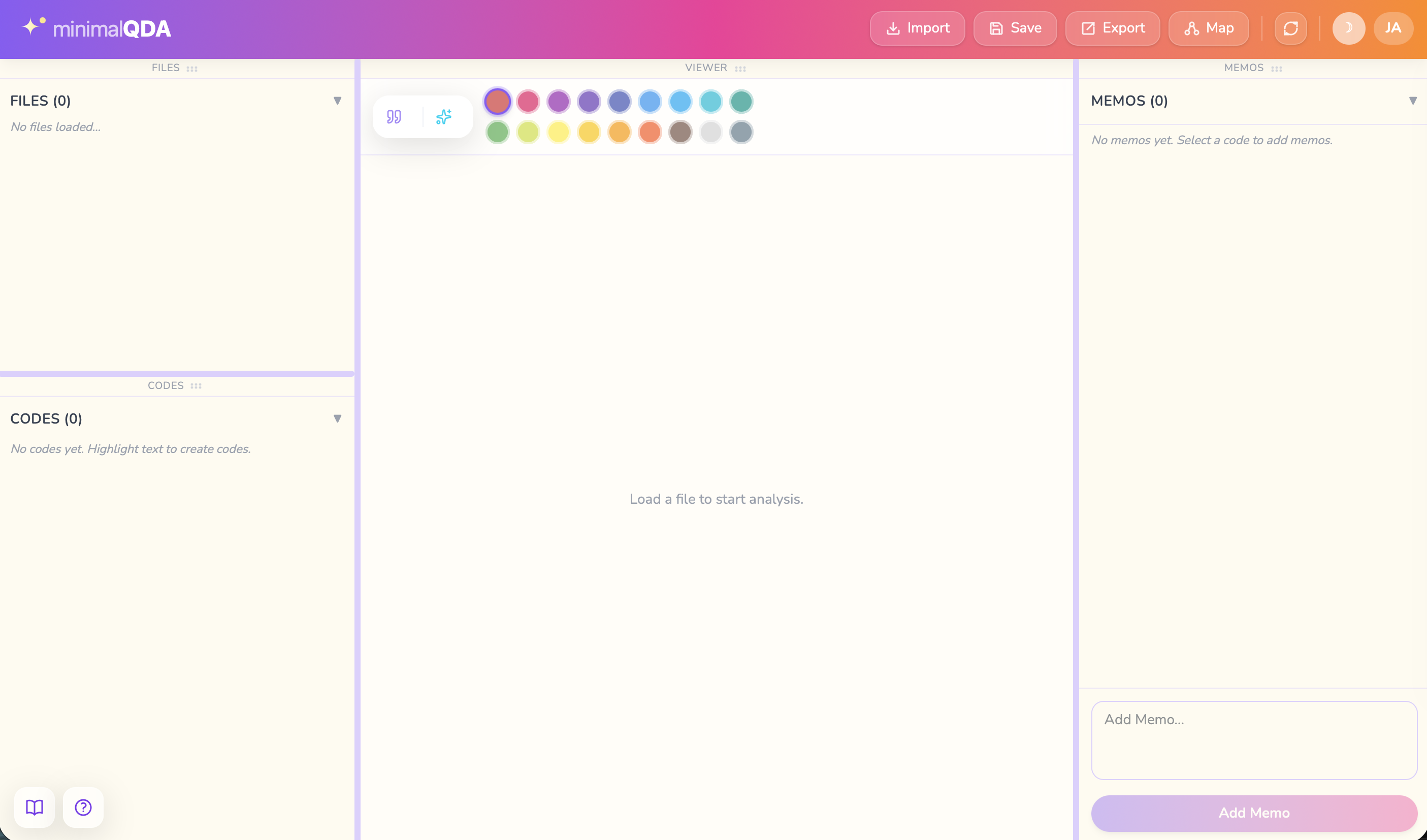
MinimalQDA
研究ツール
Research Tool
MinimalQDA
MinimalQDA
JavaScript / Web App
軽量でブラウザ完結型の質的データ分析(QDA)ツール。コーディング・メモ・カラーラベル機能を搭載。
A lightweight, browser-based qualitative data analysis tool with coding, memo, and color-label features.
↗
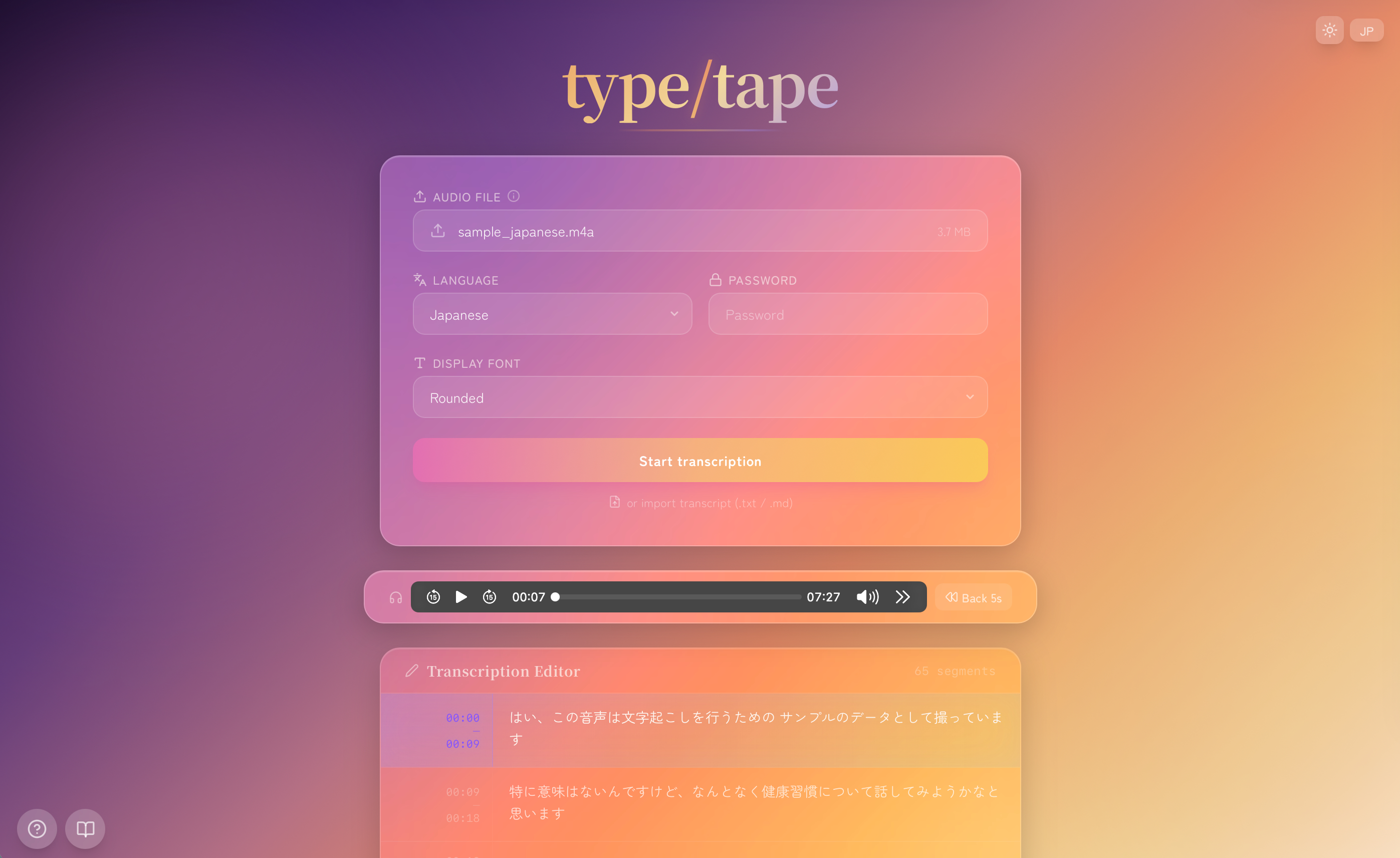
type/tape
音声文字起こしツール
Audio Transcription Tool
type/tape
type/tape
Next.js / Whisper AI
Whisper AIで音声をタイムスタンプ付きテキストに変換し、そのまま編集・保存できるツール。
An audio transcription app powered by Whisper AI with real-time playback highlighting and a built-in editor.
↗

Manuals

マニュアル

Manuals

1
デジタルメソッドの説明書:ハイパーリンク・エスノグラフィ篇
A Manual of Digital Methods: The Hyperlink Ethnography Edition
2026.03
デジタルメソッド・シリーズ
Digital Methods Series
Digital Methods Digital Anthropology
ハイパーリンク・エスノグラフィの方法論を体系的に解説した実践マニュアルです。ウェブ上のハイパーリンク構造をエスノグラフィックに分析する手法を、具体的な手順とともに紹介しています。
A practical manual that systematically explains the methodology of hyperlink ethnography. It introduces techniques for ethnographically analyzing the hyperlink structures on the web, with step-by-step instructions.
詳しく見る →
View Manual →
2
人文学におけるデジタルツール活用の手引き
A Guide to Digital Tools for the Humanities
2026.03
デジタルツール・シリーズ
Digital Tools Series
Digital Humanities Digital Technology
人文学研究者を対象に、テキスト分析・データ可視化・質的分析・AI活用など、研究に役立つデジタルツールの選び方と使い方を体系的に解説した実践ガイドです。
A practical guide for humanities researchers, systematically explaining how to select and use digital tools for text analysis, data visualization, qualitative analysis, AI applications, and more.
詳しく見る →
View Manual →

Mission, Vision and Values

ミッション/ビジョン/バリュー

Mission · Vision · Values

— 技術と社会の乖離を埋める —

— Bridging the Gap between Technology and Society —

Mission

日々果たすべき使命
Daily Mission
技術と社会の乖離を埋めること——それが私の使命の核心にある。人文学の伝統的・アナログな知見と、最先端のデジタル技術(AI、データ分析、Web・デザイン等)を「実装」レベルで掛け合わせ、理論にとどまらず自ら手を動かすことで、次世代に向けた新たな研究手法と視座を社会に提示し、実践的なモデルを示す。
Bridging the gap between technology and society lies at the heart of my mission. By fusing the profound, analog insights of the humanities with cutting-edge digital technologies (such as AI, data analysis, and web design) at an implementation level, I move beyond theory to actively build tools and platforms, presenting society with innovative research methodologies and practical new perspectives.
Bridging Tech & Society Humanities × Digital Implementation

Vision

実現したい未来
Future Envisioned
先端技術の急速な発展と、人文学的な価値観が対立・乖離するのではなく、相互に共創し、より豊かな人間社会を形作る未来。誰もが自らの内なる「熱」を原動力に、テクノロジーを自在に操りながら本質的な思索を深められる社会の構築。
A future where the rapid advancement of advanced technology and humanistic values do not conflict, but mutually co-create to shape a richer human society. I envision a world where everyone, driven by their own inner "passion," can freely leverage technology to deepen their essential contemplation.
Co-creation Technology × Humanity Society

Values

大切にしている価値観
Core Values
01
対話を重んじ、熱を連鎖させる
常に「対話」を中心に据え、純粋な探求心と「熱量」を共有できる人々と共に本質的な課題に取り組む。
02
越境し、自ら形にする
分野の垣根を越えた協働を心から楽しみ、アイディアを単なる構想で終わらせず、プログラミングやデザインを通じて自らの手で形にする。
03
デジタルとアナログの往復
テクノロジーの利便性をフル活用しながらも、人文学が培ってきた深くアナログな思考法を決して手放さない。
01
Prioritizing Dialogue & Chaining Passions
Always placing "dialogue" at the core, I tackle essential challenges alongside those who share a pure sense of curiosity and deep "passion."
02
Crossing Borders & Hands-on Implementation
Genuinely enjoying collaboration across disciplinary boundaries, I do not let ideas end as mere concepts; I shape them with my own hands through code and design.
03
Traversing Analog and Digital
While fully utilizing the convenience of digital tools, I firmly hold onto the deep, analog analytical thinking cultivated by the humanities.

Profile

強み/仕事のスタイルと課題

Strengths & Working Style

Strengths
デジタルと人文学を架橋する「実践力」
Bridging Digital & Humanities
最先端のデジタル技術と、人文社会科学が大切にしてきたアナログな思考法を融合させるアプローチを得意としています。アイディアを形にし、社会に発信するまでのプロセスをワンストップで実行することができます。
My primary strength lies in harmonizing cutting-edge digital tools with the deeply analytical, "analog" thinking foundational to the humanities. I can seamlessly execute from ideation through to public delivery in a one-stop workflow.
プログラミングProgramming ウェブ開発Web Dev AI・生成AIAI / GenAI データ分析Data Analysis デザインDesign SNS運用Social Media
Working Style
「欲」ではなく「熱」で駆動する
Driven by Passion, Not Profit
純粋な「熱(情熱)」を原動力として動きます。自分の心が動くテーマには爆発的なエネルギーを注ぎ、どこまでも頑張ることができます。「熱量」を共有できる方との協働では大きな相乗効果を生みます。
熱意を感じられない環境や、情熱を失ってしまった人との仕事では、正直なところ少し不器用になってしまう面があります。モチベーションの維持に苦労することも。
I am driven by genuine passion. I pour boundless energy into projects that spark my curiosity, and I create strong synergy in collaborative environments with passionate individuals.
I struggle to maintain motivation for tasks that lack an internal spark, and find it challenging to work effectively in environments where enthusiasm has faded.

Social

Instagram

Instagram

Contact

連絡先

Get in Touch